Category: Uncategorized
-

Struggling with “Well-Led” and “Responsive” in CQC Inspections?
If you’re seeing the same feedback appear in reports,“not always responsive” or questions around leadership, you’re not alone. Across many care homes, a common pattern is emerging. Care is still being delivered through a medical model of disability. This creates an “expert trap,” where staff feel they must lead as clinicians, and residents are positioned…
-

Inclusive Workplace Communication: Challenging Assumptions This International Women’s Day
Inclusive workplace communication begins with one simple habit: resisting the urge to make assumptions. This International Women’s Day, we invite organisations and individuals to reflect on how everyday assumptions about gender, disability, race, or religion can affect how we communicate with one another. Too often we “fill in the blanks” about a person’s abilities or…
-
Understanding Dementia and the MCA
The Conflict of Care: Autonomy vs. ‘Unsafe’ Positive Risk Taking in Dementia Care sits at the heart of ethical, lawful, and person centred practice. Yet in dementia services, professionals often default to one word: unsafe. During recent training sessions with social workers, nurses, carers, and assessors, participants repeatedly used “unsafe” as their starting point for…
-

Communication First: Building Inclusive Workplaces in 2026
Introduction: Why Inclusive Workplace Communication Workshops Matter Inclusive workplace communication workshops are the foundation for thriving teams. By learning diverse communication styles and inclusive practices, organisations can improve collaboration, boost engagement, and create a culture where everyone feels valued. Last year, we launched Lipreading and Hearing Management classes, helping individuals communicate more effectively. This year,…
-
Top 10 Lipreading Tips for Better Communication
Lipreading can transform conversations for people with hearing loss. But it’s most effective when everyone plays their part. Good communication isn’t just about speaking. It’s about creating the right environment and giving the brain time to process visual clues. Whether you’re a family member, colleague, or professional, here are 10 top tips to make conversations…
-

Reflections from Rachel’s recent invitation to the House Of Lords.
At Living4Moments, our mission has always been to make inclusion meaningful. To help organisations recognise the value of accessibility, remove barriers, and create spaces where everyone can thrive. So, it was an honour to attend the launch of the Lilac Disability Trading Framework at the House of Lords this week. A landmark initiative designed to…
-
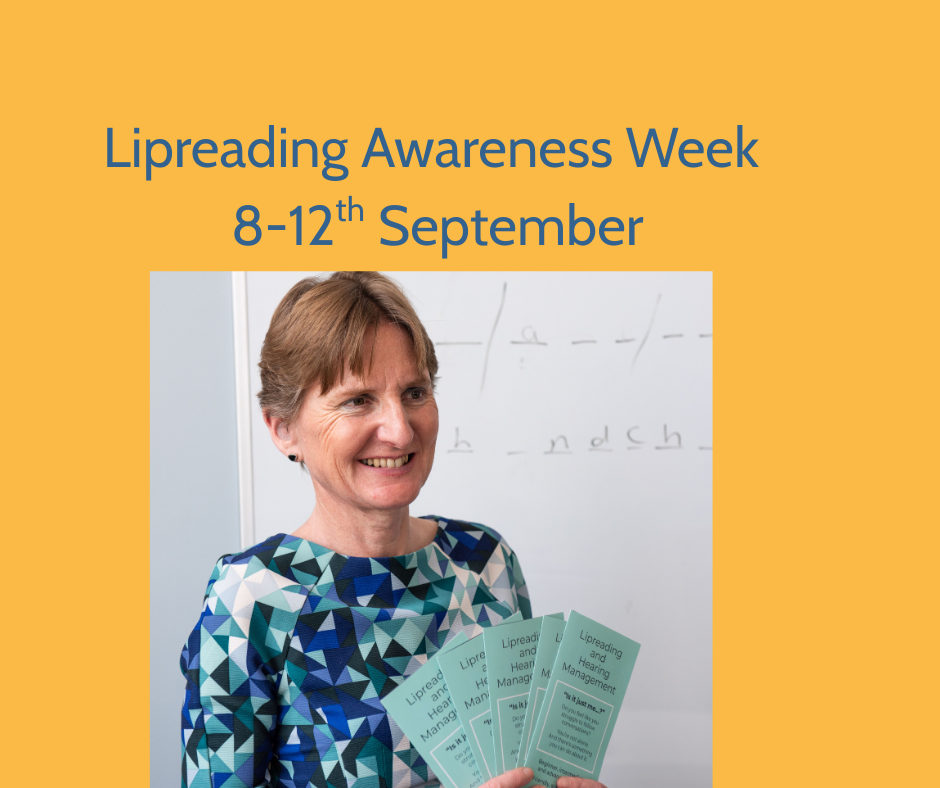
Lipreading Awareness Week:
From 8th–12th September, it’s Lipreading Awareness Week — a chance to shine a light on a hidden but powerful skill that has changed lives. My Story I have been deaf since infancy, and in 2017 I became profoundly deaf. Overnight, I found myself cut off from conversations I had once managed with hearing aids. It…
-
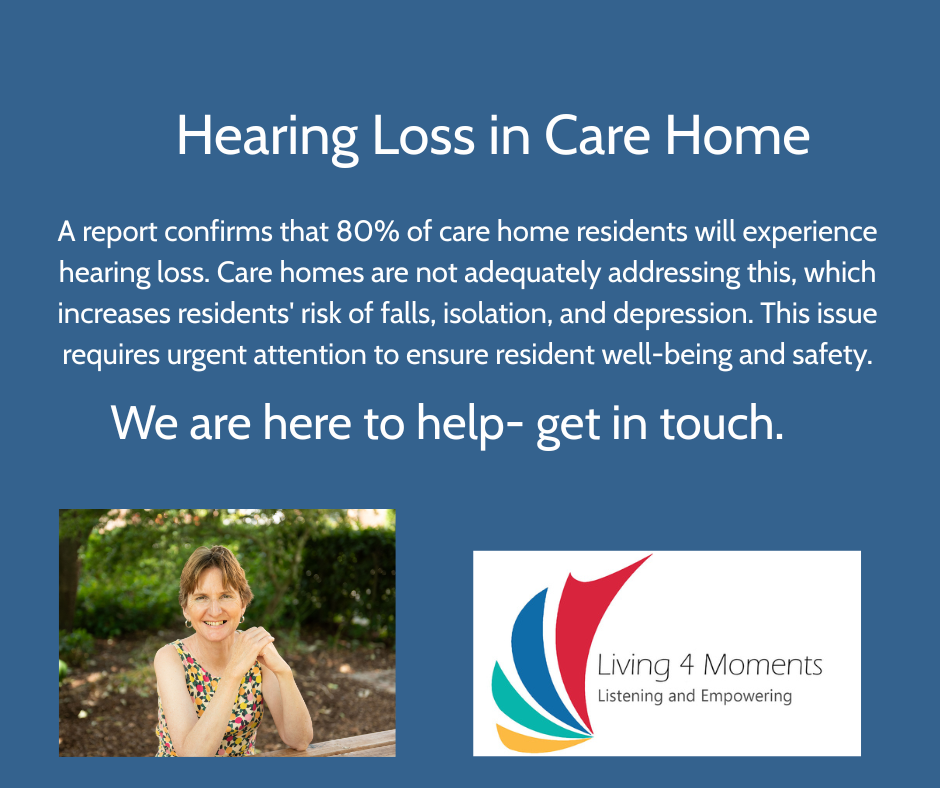
Rachel’s response to the hearing loss in care home report.
The newly launched “Hearing Loss in Care Homes” report from Care England is a vital call to action. I am offering a fantastic opportunity for care homes to lead the way in raising care standards, staff confidence, and resident wellbeing. I provide a holistic package based from someone who has lived with hearing loss since…
-

Exploring why Inclusion matters.
A company’s reputation and finances can be at risk if they choose to treat anyone unfairly. This can be avoided if we cut through all the noise created by the political backlash against DEI (Diversity, Equity and Inclusion) and the media frenzy. Listening, learning, and working together are critical for helping more people feel included,…
-

Coverage of Disabled People in the Media.
Wouldn’t it be wonderful to see the media and stories shift their narrative about disabled people? Disabled people have dreams, aspirations, and feelings just like anyone else. For example, the coverage of Strictly Come Dancing participants with disabilities seems to fall into two camps: amazement or outright rudeness. Low expectations – the bias and dangers…