Picture this. It is a Friday night.
You walk into a restaurant to meet friends and family, the food smells amazing and you are excited to catch up with everyone. But within ten minutes, the background music kicks up a notch. The chatter around you begins to bounce off the hard walls. Suddenly, you find yourself leaning halfway across the table, straining every muscle in your face just to catch every third word. You nod along, laugh when everyone else laughs, and pray nobody asks you a direct question.
By the end of the meal, you are tired and frustrated. If this sounds familiar, you aren’t alone. But it doesn’t have to be this way.
A Lesson from Across the Channel
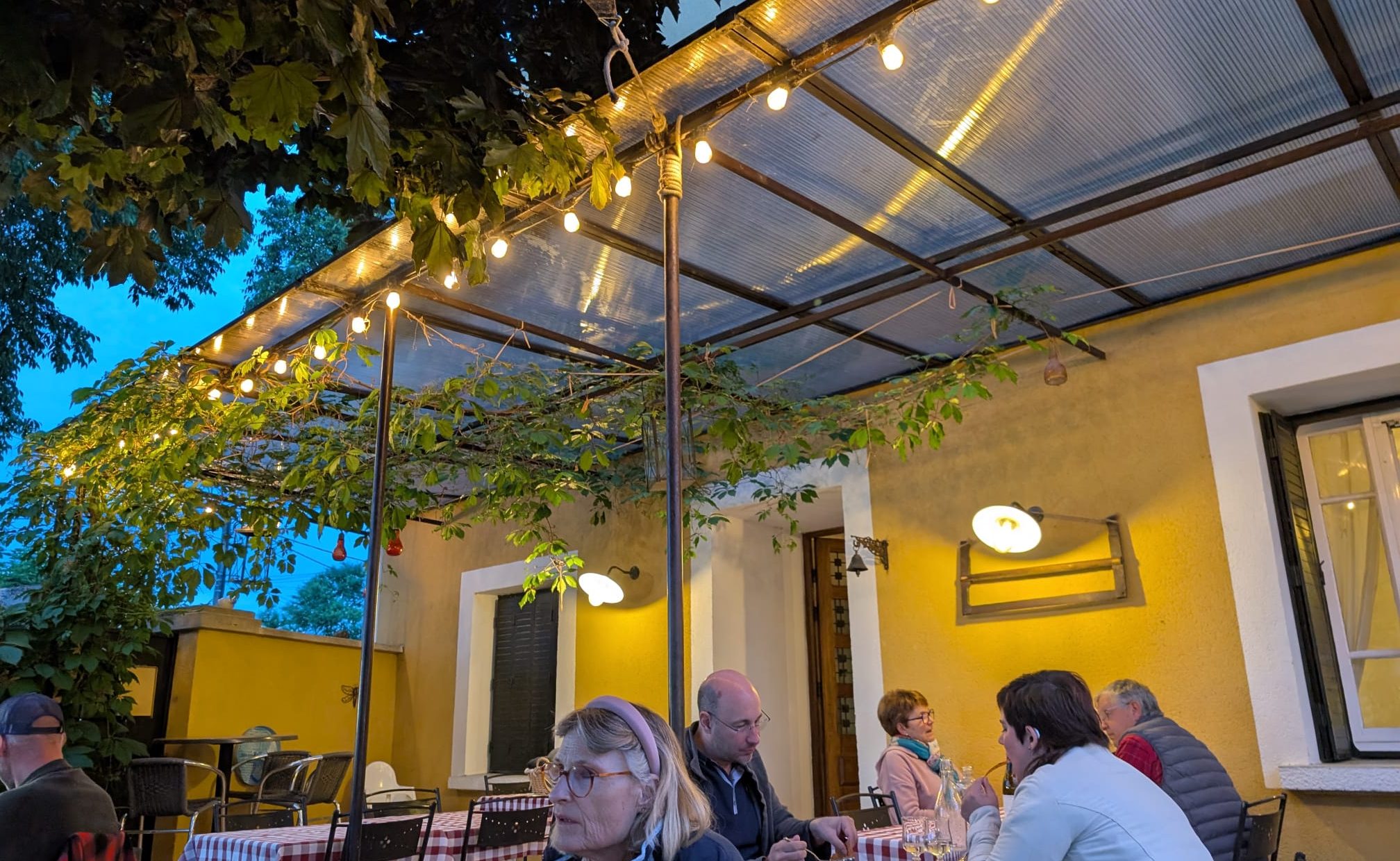
I was lucky enough to eat out on a few occasions while on holiday in France recently. Aside from the incredible food, the most noticeable difference was the acoustic environment.
In the French cafes and restaurants I visited, background music was minimal or completely nonexistent. The venues were still bustling and full of a lovely, lively buzz of conversation, but the design choices changed everything. There was more space between tables. The lighting was clear. Because people didn’t have to compete with a thumping sound system, there was no shouting.
It was a reminder of how accessible dining can be for deaf and hard of hearing individuals when a space is designed with communication in mind.
I would love to see more venues in the UK realise that loud background music isn’t a requirement for atmosphere. People go to restaurants and bars to connect with the people they love, not shout.
The Reality of Hidden Hearing Loss
When we start struggling in noisy rooms, we often blame the venue or others mumbling. And while British pub acoustics definitely have a lot to answer for, the reality might be closer to home.
Hearing changes are a natural part of getting older, and they creep up on us much earlier than most people think:
- By the age of 50, the risk of developing hearing loss rises to over 40%.
- By the age of 70, that number jumps to over 70%.
The question is: Are you going to wait until social isolation sets in, or are you going to be proactive?
Finding Your Way Back to the Conversation
While we might not be able to turn down the volume in every restaurant, we can certainly change how we navigate those spaces. Managing hearing health in social settings is often less about “fixing” the ears and more about mastering the environment. It starts with small, intentional shifts in how we approach a night out.
Lipreading and hearing management are powerful tools that help bridge the gaps when the noise becomes overwhelming. These aren’t just technical skills; they are ways to reclaim your confidence and keep your social life vibrant. When we understand how to manage the sounds around us, the world feels a little less exhausting and a lot more welcoming.
Perspective and practical strategies can make a world of difference:
- The Gentle Art of Self-Advocacy: There is real power in simply asking for what you need. Whether it’s requesting a table away from a speaker or asking a friend to face you when they speak, advocating for yourself ensures you remain part of the group.
- Embracing Modern Support: From clever smartphone apps to subtle assistive gadgets, technology can act as a useful companion, taking the edge off harsh background noise and letting you focus on the voices that matter.
- Connection Through Shared Experience: Hearing changes can feel isolating, but they don’t have to be. Connecting with others who understand the unique “workout” of a noisy dinner party provides not just tips, but a sense of belonging. Sharing stories and laughing about the challenges helps normalize the experience.
A Supportive Path Forward
Taking the first step toward managing your hearing health is an act of self-care. It’s about protecting your cognitive health and ensuring you continue to enjoy the moments that matter. Whether you prefer the warmth of a local meetup or the convenience of connecting from your own living room, seeking support is always a step in the right direction.
- Local Community Circles: Engaging with others in person can build lasting local bonds and provide a dedicated space to practice new communication tactics together.
- Flexible Online Spaces: Digital platforms offer a wonderful way to learn and connect at your own pace, fitting easily into a busy schedule while still providing that vital peer support.
Your social life shouldn’t be a source of stress. By being proactive and surrounding yourself with a supportive community, you can shift the focus back to where it belongs: on the joy of good food and even better company.
Browse more resources and support on the L4M blog or get in touch to book your place for September.
Leave a Reply